

Introduction
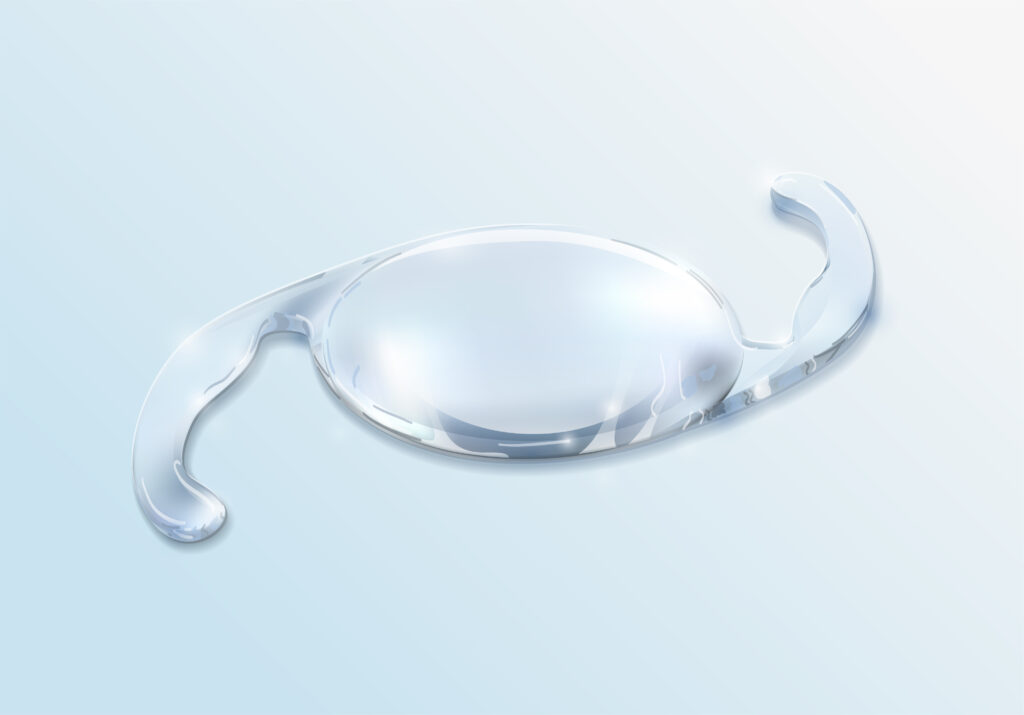
Intraocular lenses, or IOLs, are small artificial lenses placed inside the eye. Doctors use them to replace the eye’s natural lens when it becomes cloudy or damaged. Many people ask why intraocular lenses are used. The answer is simple: they help restore clear vision, especially after cataract surgery or for vision correction. In this blog, you will learn what IOLs are, why they are important, and how they can help improve eye health.
What Are Intraocular Lenses?
Intraocular lenses are clear, artificial lenses made from plastic or silicone. Doctors place them inside the eye to replace the natural lens. The first IOL was used in 1949, and since then, technology has improved a lot. Today, IOLs are safer and more effective than ever. They come in different types to suit different vision needs. For example, some IOLs help you see both near and far, while others correct astigmatism.
Common Reasons for Using Intraocular Lenses
Doctors use intraocular lenses for several reasons. The most common reason is cataract surgery. A cataract is when the eye’s natural lens becomes cloudy, making it hard to see. During surgery, the cloudy lens is removed and replaced with an IOL. Besides cataracts, IOLs are also used for:
Because IOLs can correct many vision problems, they are a popular choice for people who want better eyesight.
How Intraocular Lenses Work
After the natural lens is removed, the IOL is placed in the same spot inside the eye. The IOL focuses light onto the back of the eye, called the retina. As a result, you can see clearly again. Some IOLs are designed to help you see at different distances. Others are made to correct specific vision problems, like astigmatism. In any case, the main goal is to restore sharp, clear vision.
Benefits of Intraocular Lenses
There are many benefits to using intraocular lenses. For example, they can:
Additionally, most people recover quickly after IOL surgery. According to the World Health Organization, cataract surgery with IOLs is one of the safest and most effective procedures worldwide.
Risks and Considerations
Although IOLs are safe, there are some risks to consider. For instance, you may experience:
However, most side effects are mild and go away with time or treatment. It is important to talk to your eye doctor about any concerns before surgery.
What to Expect During and After IOL Surgery
Before surgery, your doctor will check your eyes and discuss the best IOL for you. The procedure is quick and usually takes less than 30 minutes. You will be awake, but your eye will be numb. After surgery, you may notice clearer vision within a few days. However, you should avoid rubbing your eye and follow your doctor’s instructions. Most people return to normal activities within a week. If you notice pain, redness, or vision loss, contact your doctor right away.
Prevention and Eye Health Tips
While IOLs can restore vision, it is best to protect your eyes from the start. Here are some tips:
By following these tips, you can help keep your eyes healthy and reduce the need for surgery.
Conclusion
In summary, intraocular lenses play a key role in restoring and improving vision. They are most often used after cataract surgery or for vision correction. While IOLs are safe and effective, it is important to discuss your options with a doctor. Consult an eye specialist at Nirwana Netralaya to learn if intraocular lenses are right for you.