

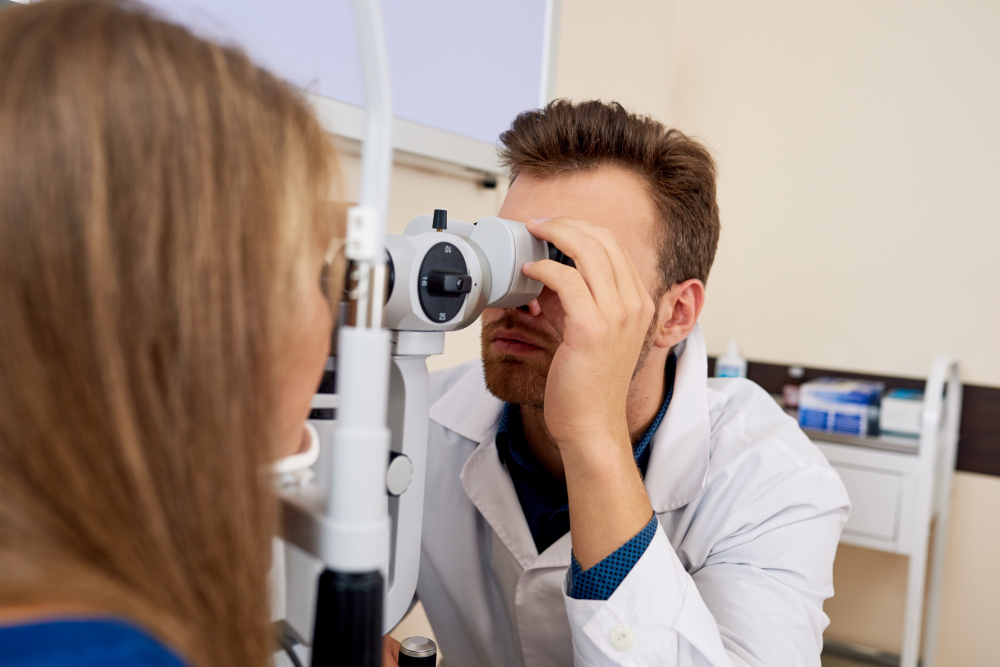
What is Hyperopia?
Hyperopia, also called farsightedness, is a common vision problem. People with hyperopia see distant objects clearly. However, close objects may look blurry. This happens because light focuses behind the retina instead of on it. As a result, the eyes work harder to see nearby things. According to the World Health Organization, many people worldwide have some degree of hyperopia. While it can affect anyone, it is often found in both children and adults.
Common Symptoms of Hyperopia
Hyperopia symptoms can vary from person to person. For example, some people may not notice any problems at first. But as the eyes work harder, symptoms may appear. Early signs are important to catch, especially in children. Here are some common symptoms:
Sometimes, symptoms get worse with age. Therefore, regular eye exams are important for early detection.
Causes and Risk Factors
Hyperopia happens when the eyeball is too short or the cornea is too flat. Because of this, light does not focus correctly on the retina. Several factors can increase the risk of hyperopia:
Although anyone can develop hyperopia, genetics play a big role. If your parents have hyperopia, you are more likely to have it too.
How Hyperopia is Diagnosed
Eye doctors use simple tests to diagnose hyperopia. First, they ask about your vision and symptoms. Next, they perform a full eye exam. This usually includes:
Sometimes, doctors use drops to widen your pupils. This helps them get a better look at your eyes. Early diagnosis is key, especially for children, as it can prevent learning problems.
Treatment Options for Hyperopia
There are several ways to correct hyperopia. Your doctor will suggest the best option based on your needs. Common treatments include:
For children, glasses are often enough. Adults may choose surgery for long-term correction. However, not everyone is a good candidate for surgery. Therefore, it is important to discuss all options with your eye doctor.
Lifestyle Tips and Prevention
While you cannot always prevent hyperopia, you can protect your eye health. Here are some helpful tips:
Additionally, encourage children to tell you if they have trouble seeing or reading. Early action can prevent bigger problems later.
When to See an Eye Specialist
If you notice changes in your vision, do not wait. For example, blurry vision, headaches, or eye strain can signal hyperopia. Children who struggle with reading or schoolwork should also get checked. Even if you feel fine, regular eye exams are important for everyone. Early detection helps prevent complications and keeps your eyes healthy.
In summary, hyperopia is a common and treatable vision problem. If you have concerns about your eyesight, consult an eye specialist at Nirwana Netralaya for personalized advice on hyperopia.