

What is Scleritis?
Scleritis is a serious eye condition. It happens when the white part of your eye, called the sclera, becomes inflamed. This inflammation can cause pain, redness, and swelling. Often, scleritis affects adults, but anyone can get it. Because scleritis can harm your vision, it is important to know the signs early. According to the American Academy of Ophthalmology, scleritis is less common than other eye problems, but it needs quick care. If you notice a red, painful eye, you should pay attention. Early treatment can help prevent lasting damage.
Causes of Scleritis
Many things can cause scleritis. Sometimes, the cause is not clear. However, several factors are linked to this eye inflammation. For example, scleritis often happens in people with autoimmune diseases. These are conditions where the body attacks itself by mistake. Some common causes include:
In addition, certain infections or trauma can trigger scleritis. But, in many cases, doctors cannot find a clear cause. Knowing your risk factors can help you stay alert.
Symptoms of Scleritis
Scleritis has some clear signs. However, these symptoms can look like other eye problems. It is important to know what to watch for. Common symptoms include:
Sometimes, the pain gets worse at night or with eye movement. If you notice these symptoms, you should seek help quickly. Early care can protect your eyesight.
How Scleritis is Diagnosed
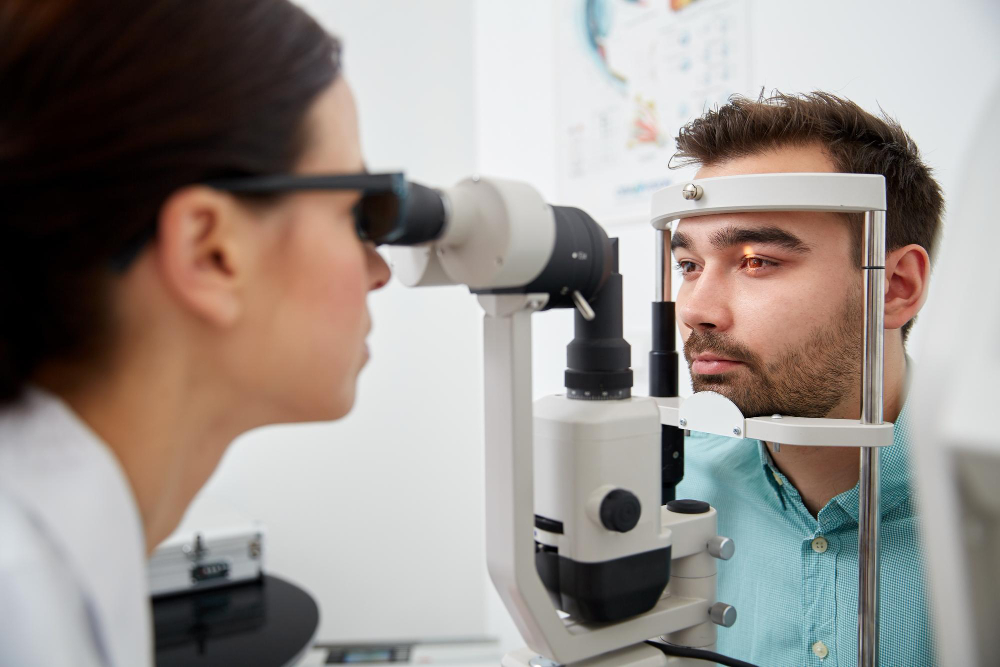
Doctors use several steps to diagnose scleritis. First, they ask about your symptoms and medical history. Next, they examine your eyes with special lights and tools. For example, a slit lamp helps the doctor see the layers of your eye. In some cases, blood tests or imaging, like ultrasound, may be needed. These tests can help find the cause, such as an autoimmune disease. Because scleritis can look like other eye problems, a full exam is important. Your eye doctor may also work with other specialists to find the best treatment.
Treatment Options for Scleritis
Treating scleritis depends on the cause and how severe it is. Early treatment can prevent serious problems. Common scleritis treatment options include:
Sometimes, you may need to see a rheumatologist if an autoimmune disease is involved. In rare cases, surgery may be needed to repair damage. Always follow your doctor’s advice for the best results.
Prevention and Lifestyle Tips
While you cannot always prevent scleritis, some steps can lower your risk. For example, managing autoimmune diseases can help. Here are some tips:
In addition, staying healthy overall can support your eyes. Early action is key to preventing complications.
When to See a Doctor
If you have a red, painful eye that does not get better, you should see a doctor soon. Also, if you notice vision changes, swelling, or severe pain, do not wait. Quick care can prevent vision loss. In some areas, eye specialists may be called ophthalmologists. You can ask your regular doctor for a referral if needed. Remember, early treatment makes a big difference.
For personalized advice on Scleritis, consult Nirwana Netralaya today.