

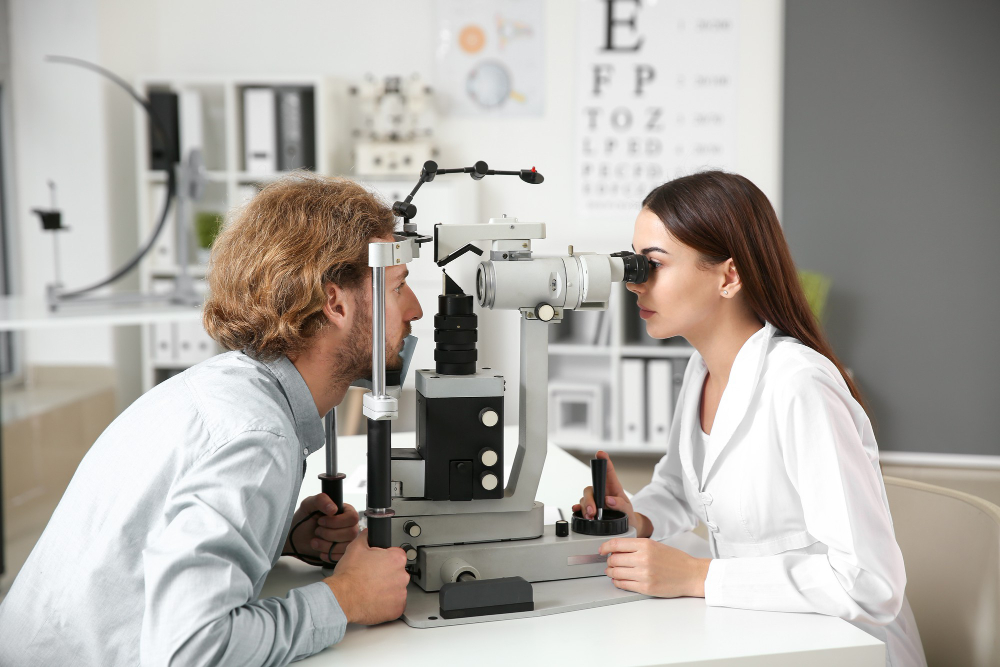
What is Retina Screening?
Retina screening is a simple eye test. It checks the health of the retina, which is the thin layer at the back of your eye. Because many eye diseases show no early signs, retina screening is important. Early detection can help save your vision. In fact, regular retina screening can spot problems before you notice any changes.
Silent Eye Diseases: What Your Eyes May Hide
Some eye diseases develop quietly. You may not feel pain or see changes at first. However, these silent eye diseases can cause lasting damage if not found early. Common silent eye diseases include:
Because these conditions can go unnoticed, regular retina screening is key for lifelong eye health.
Understanding Glaucoma and Age-Related Macular Degeneration (AMD)
Glaucoma and AMD are two major causes of vision loss. Let’s look at each one:
Glaucoma
Age-Related Macular Degeneration (AMD)
Both conditions can lead to vision loss if not managed early. Therefore, regular retina screening is vital.
How Retina Screening Detects Silent Diseases
Retina screening uses special tools to look at the back of your eye. The process is quick and painless. Common methods include:
With these tests, doctors can find early signs of silent eye diseases. As a result, you can start treatment sooner and protect your sight.
Managing Complex Eye Conditions for Lifelong Health
Once a silent eye disease is found, managing it is important. Early treatment can slow or stop vision loss. Here’s how complex conditions like glaucoma and AMD are managed:
With the right care, many people keep good vision for years. In addition, following your doctor’s advice helps protect your eyes.
Prevention Tips and Lifestyle Guidance
Healthy habits can lower your risk of silent eye diseases. Try these tips for lifelong eye health:
By making these changes, you help keep your eyes healthy as you age.
When to See an Eye Specialist
It’s wise to see an eye specialist if you:
Early visits can help catch silent eye diseases before they cause harm. Therefore, do not wait for symptoms to appear.
Consult an eye specialist at Nirwana Netralaya for personalized advice and regular retina screening. Protect your vision for life.