

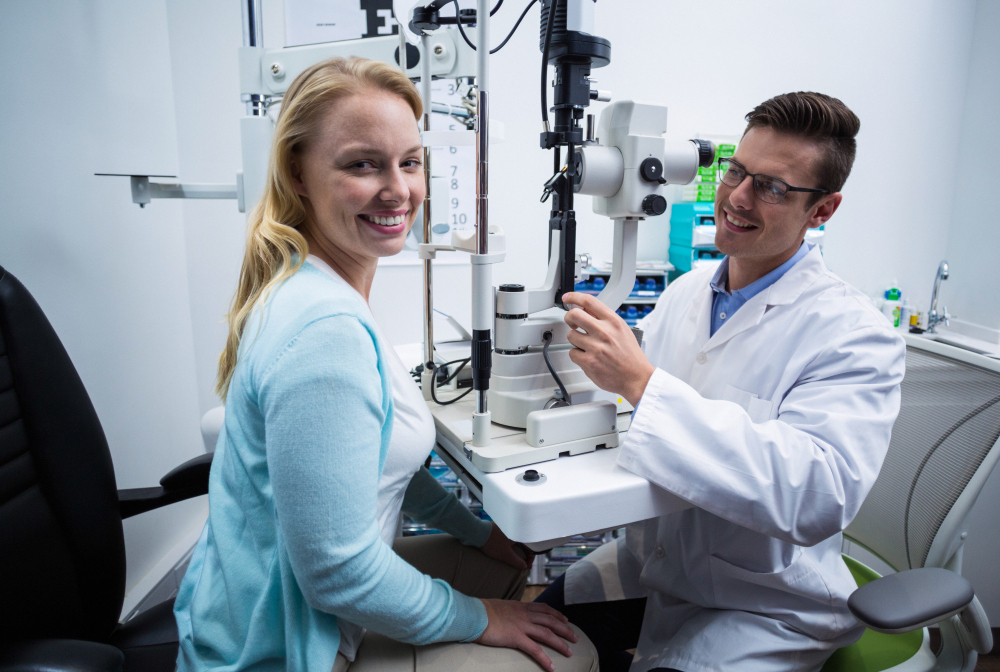
Foreign Body Removal in the Eye
What Is a Foreign Body in the Eye?
Foreign body removal in the eye is a common procedure. A foreign body is anything that enters the eye but does not belong there. For example, dust, sand, metal, or wood can get into the eye. Even small objects can cause discomfort or harm.
Common Causes and Symptoms
Many people get something in their eye during daily activities. For instance, working outdoors or using power tools can increase the risk. Common causes include:
Symptoms often appear quickly. However, some signs may be mild at first. Watch for:
Step-by-Step Removal Process
If you suspect a foreign body in your eye, act with care. First, avoid rubbing your eye. Next, try these steps:
Never use sharp objects or try to remove something deeply stuck. In many cases, an eye doctor uses special tools and numbing drops for safe removal.
Risks and Possible Complications
Although most foreign bodies are removed easily, some risks remain. For example, scratching the eye surface (corneal abrasion) can occur. Other possible complications include:
According to the American Academy of Ophthalmology, prompt care lowers these risks.
Recovery Tips and Aftercare
After removal, your eye may feel sore. However, most people recover quickly. To help healing:
If pain, redness, or vision problems continue, contact your doctor. Early treatment prevents lasting damage.
Prevention Advice
Prevention is better than cure. For example, you can lower your risk by:
Simple steps can protect your eyes every day.
Adult Strabismus
What Is Adult Strabismus?
Strabismus in adults means the eyes do not line up properly. One eye may turn in, out, up, or down. This condition is sometimes called “crossed eyes” or “wandering eye.” While it often starts in childhood, adults can develop it too.
Reasons and Risk Factors
Many factors can cause adult strabismus. For instance, it may result from:
Sometimes, the cause is unknown. However, risk increases with certain health conditions.
Diagnosis Methods
Doctors use several tests to diagnose strabismus in adults. First, they check your eye movements. Next, they may use special lights or ask you to focus on objects. Sometimes, imaging tests help find the cause. Early diagnosis leads to better results.
Treatment Options
There are many ways to treat adult strabismus. Treatment depends on the cause and severity. Options include:
For some, non-surgical methods work well. However, surgery may be needed for lasting results. According to the American Association for Pediatric Ophthalmology and Strabismus, most adults see improvement after treatment.
Why Age Is Not a Barrier to Treatment
Many adults think they are too old for strabismus treatment. However, age is not a barrier. Studies show adults can benefit from surgery or other treatments. Improved eye alignment can boost vision and confidence at any age.
Recovery and Lifestyle Guidance
After treatment, most people return to normal activities quickly. To support recovery:
With proper care, you can enjoy better vision and quality of life.
Conclusion
In summary, both foreign body removal in the eye and adult strabismus treatment are safe and effective. Early care lowers risks and speeds recovery. If you experience eye discomfort or vision changes, consult an eye specialist at Nirwana Netralaya for personalized care.