

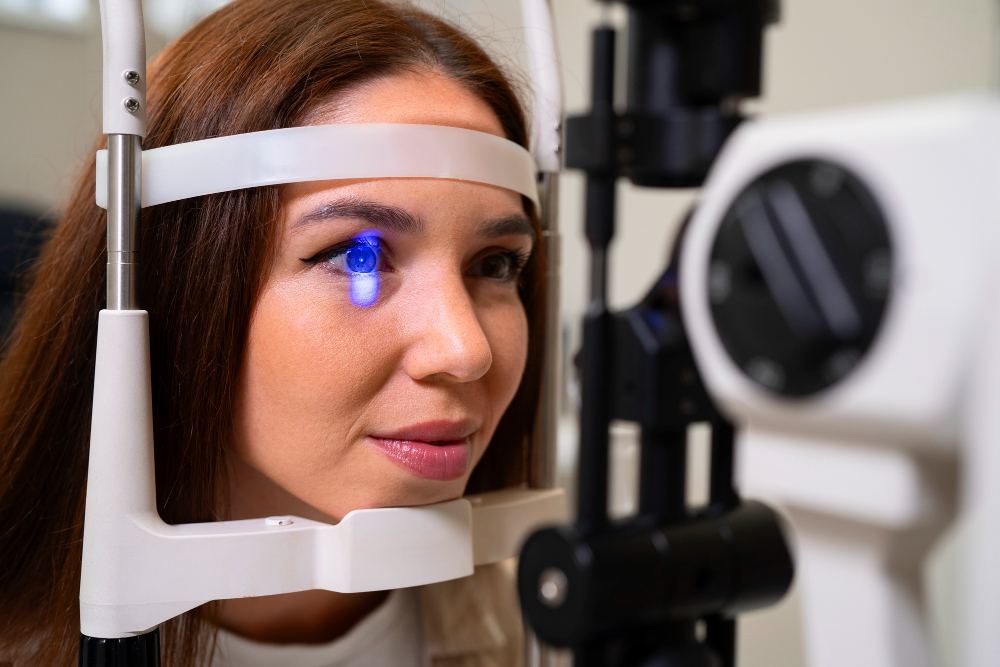
Introduction to Permanent Vision Correction Options
Many people dream of clear vision without glasses or contact lenses. Today, there are several ways to achieve this goal. While LASIK has been popular for years, ICL is becoming the preferred choice for permanent vision correction. More patients now ask about “ICL vs LASIK” and the best alternatives to LASIK. Understanding your options can help you make the right decision for your eyes.
What is ICL (Implantable Collamer Lens)?
ICL stands for Implantable Collamer Lens. It is a soft, flexible lens that a doctor places inside your eye. Unlike contact lenses, you do not remove it. Instead, it stays in place and works with your natural lens to improve vision. Because it is made from a special material called Collamer, it is gentle on the eye and often not felt at all.
How ICL Differs from LASIK
Although both ICL and LASIK aim to correct vision, they work in different ways. LASIK reshapes the surface of your eye using a laser. In contrast, ICL adds a new lens inside your eye without changing its shape. For this reason, ICL is often called a “reversible” procedure, while LASIK is permanent. Also, ICL does not remove any tissue from your eye.
Benefits and Advantages of ICL Over LASIK
ICL eye surgery benefits are making it a top choice for many people. Here are some key advantages:
Because of these benefits, many now see ICL as one of the best alternatives to LASIK.
Who is an Ideal Candidate for ICL?
Not everyone is a good fit for LASIK. However, ICL can help many people who are not eligible for laser surgery. You may be a good candidate for ICL if:
Still, only an eye care specialist can decide if ICL is right for you.
Safety, Risks, and Recovery for ICL
ICL surgery is considered safe by experts, including the American Academy of Ophthalmology. Like any surgery, there are some risks. These may include infection, increased eye pressure, or glare at night. However, serious problems are rare. Most people recover quickly. In fact, many return to normal activities within a few days. Your doctor will give you eye drops and instructions to help you heal.
Patient Experiences and Satisfaction Rates
Many patients report high satisfaction after ICL surgery. According to studies published in peer-reviewed journals, over 95% of people are happy with their results. Most notice clearer vision right away. Some even say their vision is better than with glasses or contacts. Because the lens is not visible or felt, daily life feels normal. For many, ICL has improved both vision and quality of life.
Frequently Asked Questions About ICL
Conclusion and Actionable Advice
In summary, ICL is becoming the preferred choice for permanent vision correction for many people. It offers clear vision, quick recovery, and fewer side effects than LASIK. If you want to know more about “ICL vs LASIK” or the best alternatives to LASIK, talk to a trusted eye care specialist. They can help you decide if ICL is right for your needs. Consult an eye care specialist at Nirwana Netralaya to find out if ICL is right for you.