

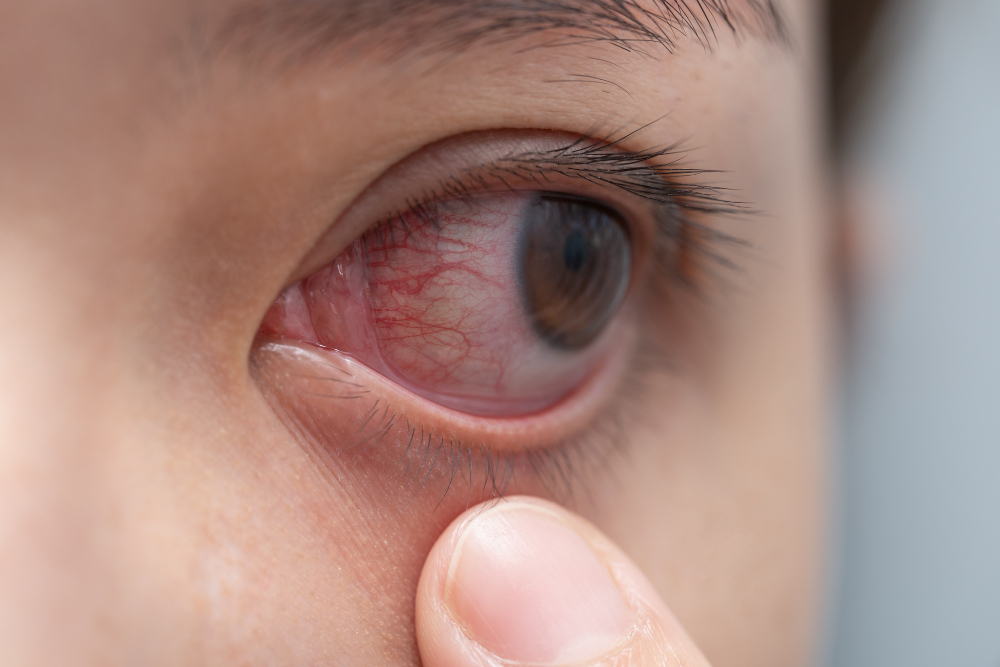
Keratitis is a condition where the clear front part of your eye, called the cornea, becomes inflamed or infected. Because the cornea helps you see clearly, any problem with it can affect your vision. Keratitis can happen for many reasons, and it may lead to serious eye problems if not treated. Therefore, learning about keratitis, its symptoms, causes, and treatment options is important for protecting your eye health.
What Is Keratitis?
Keratitis means inflammation or infection of the cornea. The cornea is the dome-shaped, transparent layer covering the front of your eye. It helps focus light so you can see clearly. When the cornea becomes inflamed, it may cause pain, redness, and vision changes. Sometimes, keratitis is caused by germs like bacteria, viruses, or fungi. Other times, it may result from injury or wearing contact lenses for too long. Because the cornea is so important, any damage can affect your eyesight.
Common Symptoms of Keratitis
Recognizing the signs of keratitis early can help you get the right treatment. While symptoms can vary, you may notice:
However, not everyone will have all these symptoms. If you notice any of them, it is important to seek help quickly.
Causes and Risk Factors
Keratitis can develop for several reasons. For example, infections are a common cause. But other factors can also increase your risk. These include:
Additionally, poor contact lens hygiene can make keratitis more likely. According to the CDC, cleaning your lenses properly is key to preventing corneal infection.
How Is Keratitis Diagnosed?
Doctors use several steps to diagnose keratitis. First, they will ask about your symptoms and eye history. Next, they will examine your eyes with a special microscope called a slit lamp. Sometimes, they may use eye drops to highlight any damage on your cornea. In certain cases, your doctor may take a small sample from your eye to find out what type of germ is causing the problem. Early diagnosis helps guide the best keratitis treatment options.
Treatment Options for Keratitis
Treatment for keratitis depends on the cause. For example, if bacteria are to blame, doctors may prescribe antibiotic eye drops. If a virus is the cause, antiviral medicine may be needed. In some cases, antifungal drops are used. Additionally, your doctor may suggest:
However, severe cases may require more advanced care. According to the World Health Organization, early treatment can prevent vision loss from corneal infection.
Prevention Tips and Lifestyle Guidance
There are several steps you can take to lower your risk of keratitis. For instance, you should:
By following these tips, you can help prevent keratitis and keep your eyes healthy.
When to See an Eye Specialist
If you notice eye pain, redness, or vision changes, you should see an eye specialist right away. Early care can stop the problem from getting worse. Even mild symptoms should not be ignored, as keratitis can lead to serious complications if left untreated. Remember, your eye health is important for your overall well-being.
Consult an eye specialist at Nirwana Netralaya for personalized advice on keratitis or any eye health concerns.