

Introduction
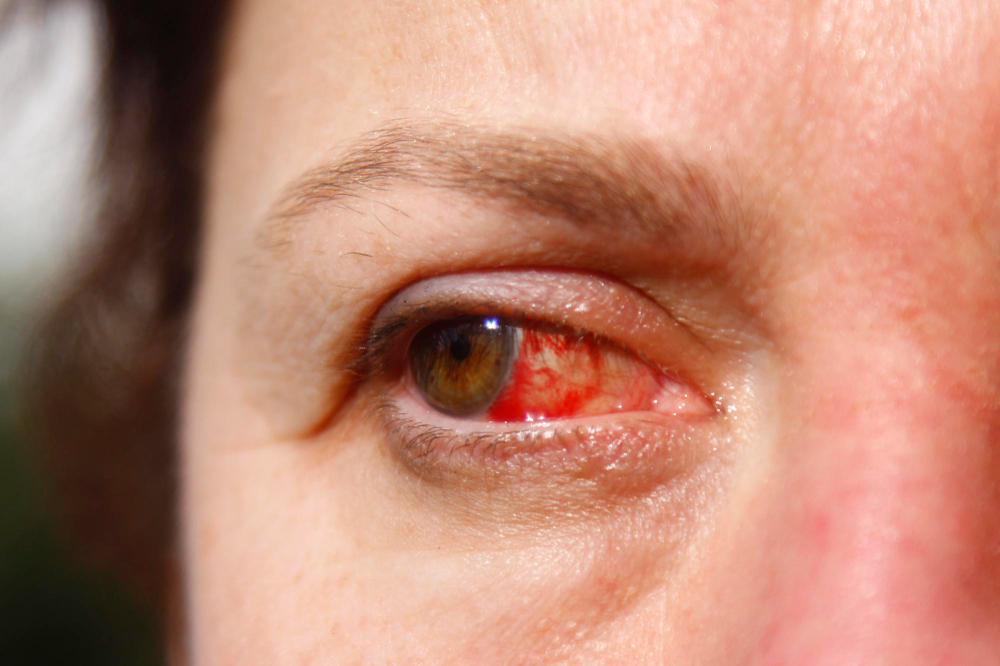
Recognizing allergic reactions in eyes is important for your comfort and eye health. Eye allergies, also called allergic conjunctivitis, can cause redness, itching, and swelling. If you know the signs early, you can get relief faster and avoid problems. Many people mistake eye allergies for infections or other issues. However, knowing the difference helps you choose the right care. In this blog, you will learn about eye allergy symptoms, causes, and when to seek help.
What Are Allergic Reactions in Eyes?
Allergic reactions in eyes happen when your eyes react to something harmless, like pollen or dust. Your body thinks these things are dangerous, so it releases chemicals called histamines. These chemicals cause your eyes to itch, turn red, and water. Eye allergies are not contagious. That means you cannot catch them from someone else. Instead, they are your body’s way of reacting to triggers in the environment.
Common Symptoms
Eye allergy symptoms can be mild or strong. But they often appear quickly after you are exposed to a trigger. Here are the most common signs:
Sometimes, you may also notice mild pain or blurry vision. Yet, these are less common with allergies and may point to other problems.
Main Causes
Many things can trigger allergic reactions in eyes. Some of the most common causes include:
In some areas, seasonal allergies are more common. For example, pollen counts are higher in spring and fall. Knowing your triggers can help you avoid them.
How to Recognize Allergic Reactions vs. Other Eye Issues
Sometimes, it is hard to tell if your symptoms are from allergies or another problem. However, there are some key differences:
If you are unsure, it is best to ask a doctor. Early treatment can prevent problems.
When to Seek Medical Help
Most eye allergies are mild and go away with simple care. But sometimes, you need to see a doctor. Seek help if you notice:
Quick care can protect your eyes and prevent lasting problems.
Prevention Tips
There are many ways to lower your risk of eye allergies. Try these simple steps:
With these habits, you can reduce your exposure to triggers and keep your eyes healthy.
Self-Care and Home Remedies
If you have mild eye allergy symptoms, you can try some safe home remedies. For example:
However, avoid using old or shared eye drops. If symptoms get worse or do not improve, see a doctor.
Conclusion
In summary, recognizing allergic reactions in eyes helps you get the right care. Watch for symptoms like redness, itching, and swelling. Avoid triggers when possible and use safe remedies for relief. If you notice persistent or severe symptoms, consult an eye care specialist at Nirwana Netralaya for personalized advice.