

Introduction
Refractive errors are common eye problems that affect how you see. They happen when the shape of your eye keeps light from focusing correctly. Because of this, you may have blurry vision. The diagnosis of refractive errors is very important. It helps you get the right treatment and see clearly again. In this guide, you will learn how refractive errors are diagnosed and why early detection matters.
What Are Refractive Errors?
Refractive errors are vision problems caused by the eye’s shape. They make it hard for light to focus on the retina, which is the back part of your eye. As a result, you may not see things clearly. There are four main types of refractive errors:
According to the World Health Organization (WHO), refractive errors are a leading cause of vision problems worldwide.
Why Is Diagnosis Important?
Early diagnosis of refractive errors can prevent eye strain and headaches. In addition, it helps you avoid problems at school or work. If left untreated, these errors may even lead to more serious eye issues. Therefore, getting the right diagnosis ensures you receive the best care. It also helps you enjoy daily activities without trouble.
Common Symptoms Indicating Refractive Errors
Many people do not realize they have a refractive error. However, some signs can help you know when to get your eyes checked. Watch for these symptoms:
If you notice any of these, it is wise to schedule an eye exam near you.
How Refractive Errors Are Diagnosed
Eye doctors use several tests to diagnose refractive errors. These tests are simple and painless. Here are the main ways doctors check your vision:
Each test gives important clues. Together, they help the doctor diagnose nearsightedness, farsightedness, or astigmatism.
What to Expect During an Eye Exam
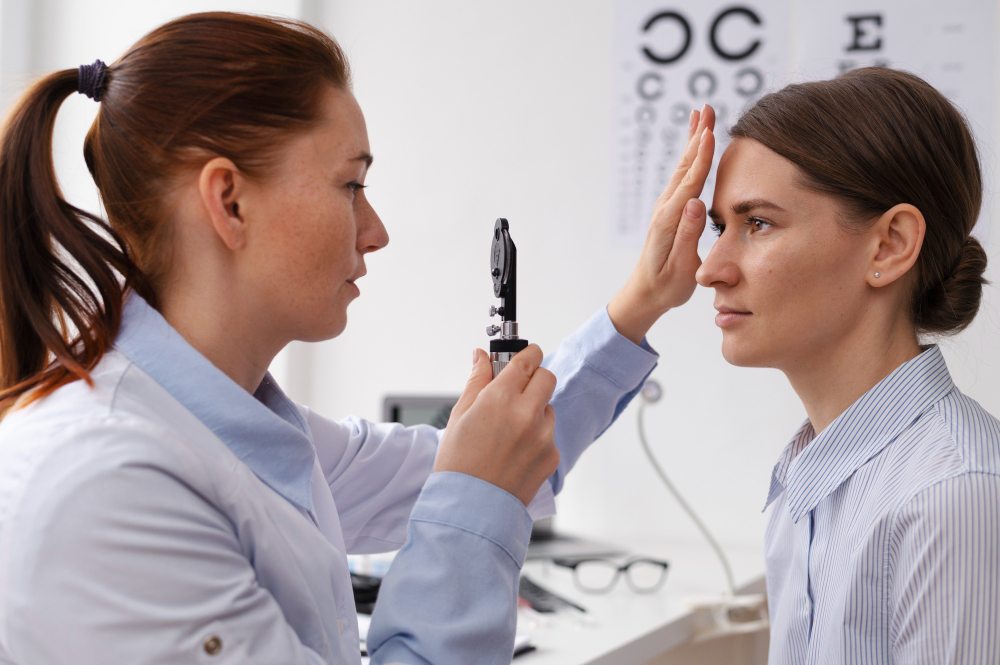
When you visit an eye specialist, you may feel nervous. However, the process is easy and safe. First, the doctor will ask about your vision and any symptoms. Next, you will take a few simple eye tests. For example, you may read letters on a chart or look into a machine. Sometimes, the doctor may use eye drops to widen your pupils. This helps them check your eye health more closely. After the tests, the doctor will explain your results. If you need glasses or contact lenses, they will help you choose the best option.
When to See an Eye Specialist
It is important to see an eye specialist if you notice changes in your vision. For instance, if you have blurry vision or frequent headaches, do not wait. Children should have regular eye exams, too. In addition, adults over 40 should get their eyes checked every two years. Early diagnosis can prevent bigger problems later. If you are searching for “eye exams near you,” many clinics offer quick appointments.
Frequently Asked Questions About Diagnosis
Conclusion
In summary, the diagnosis of refractive errors is simple and important for clear vision. Early detection helps prevent discomfort and keeps your eyes healthy. If you notice any symptoms, do not delay. Consult a eye specialist at Nirwana Netralaya for a personalized diagnosis and treatment plan.