

Introduction: Understanding Refractive Errors
Refractive errors are common vision problems. They happen when the eye cannot focus light correctly. As a result, you may see blurry images. The main types are myopia (nearsightedness), hyperopia (farsightedness), astigmatism, and presbyopia. Because these issues affect daily life, the diagnosis of refractive errors is important. Early detection helps prevent further vision loss and improves quality of life.
Common Symptoms Leading to Diagnosis
Often, people notice certain signs before seeing an eye doctor. For example, you may:
Because these symptoms can affect daily tasks, it is wise to seek help early. Sometimes, children may not notice problems. So, regular eye exams are important for all ages.
The Importance of Early Detection
Early diagnosis of refractive errors can prevent further vision problems. For instance, children with uncorrected errors may struggle in school. Adults may find it hard to drive or work. Moreover, untreated vision issues can lead to eye strain and headaches. Therefore, regular eye exams help catch these problems early. This allows for quick treatment and better vision health.
Diagnostic Methods: How Are Refractive Errors Diagnosed?
Eye specialists use several tests to diagnose refractive errors. Each test checks a different part of your vision. Here are the most common methods:
Because each test checks a different aspect, your doctor may use several during your visit.
What to Expect During an Eye Exam
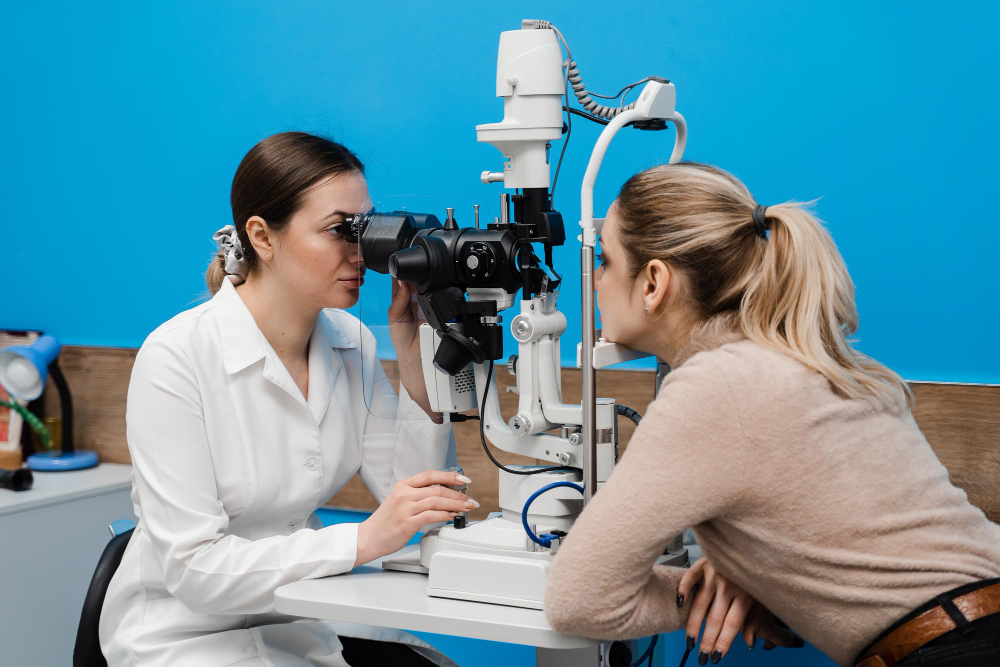
When you visit an eye clinic, the exam is simple and painless. First, the doctor will ask about your symptoms and health history. Next, they will check your vision using the tests above. Sometimes, they may use drops to widen your pupils. This helps them see inside your eye better. The whole process usually takes less than an hour. If you visit eye clinics in your city, you can expect friendly staff and modern equipment.
How to Interpret Your Results
After the tests, your doctor will explain your results. For example, they may tell you if you have myopia, hyperopia, astigmatism, or presbyopia. They will also share your prescription, which shows the type and amount of correction needed. If you have questions, ask your doctor to explain in simple terms. Because clear understanding helps you make good choices, do not hesitate to ask for details.
When to Consult an Eye Specialist
If you notice any changes in your vision, it is best to see an eye specialist. For example, if you have blurry vision, headaches, or trouble seeing at night, make an appointment. Children should have regular eye exams, even if they do not complain. Adults should also get checked every one to two years, or as advised by their doctor. Early visits help catch problems before they get worse.
Summary and Actionable Advice
In summary, the diagnosis of refractive errors is key to good vision health. Eye specialists use several tests to find the cause of vision problems. Early detection and regular exams help prevent further issues. If you notice changes in your vision, consult an eye specialist at Nirwana Netralaya for a thorough diagnosis and personalized advice.