

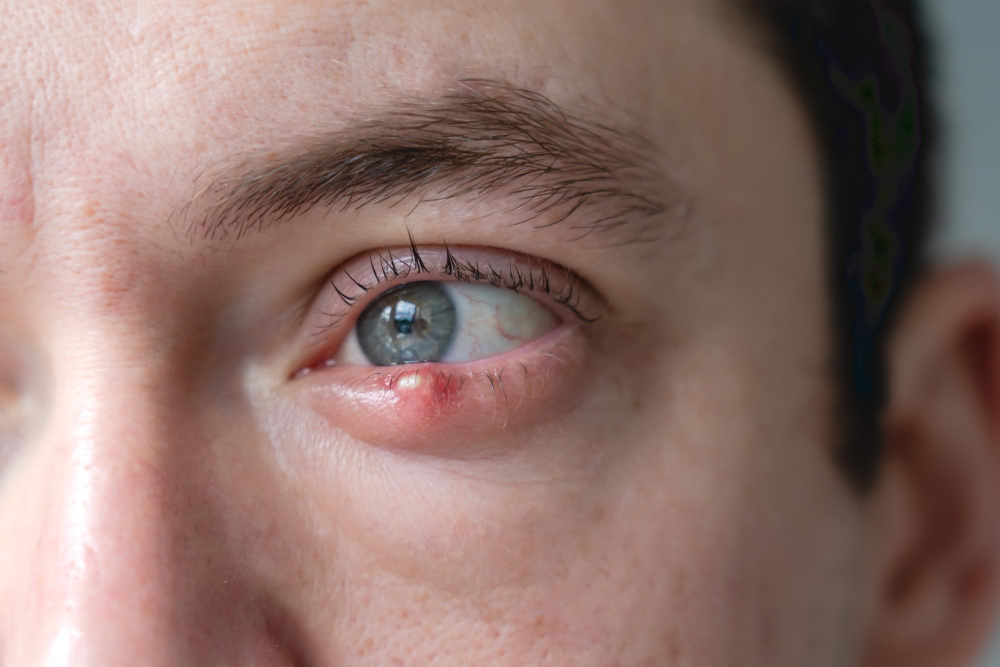
What is an Eye Stye?
An eye stye is a small, red bump that forms on the edge of your eyelid. It often looks like a pimple. Usually, it is caused by a blocked oil gland or a mild infection. The symptoms of an eye stye can appear quickly and may be uncomfortable. While most styes are not serious, knowing the signs can help you take action early. According to the CDC and trusted eye health sources, styes are common and usually go away on their own.
Common Symptoms of an Eye Stye
Recognizing the early signs of an eye stye is important. Early detection can help you avoid further discomfort. Here are the most common symptoms of an eye stye:
Sometimes, these symptoms appear on just one eyelid. However, they can affect both eyes in rare cases. For example, you might notice redness and swelling first, followed by pain or a gritty feeling.
When to Seek Medical Attention
Most eye styes heal on their own within a week. But sometimes, you may need to see a doctor. If you notice any of the following, seek medical help:
In addition, if you have frequent styes or other eye problems, talk to an eye care specialist. Early care can prevent complications.
Tips for Monitoring Symptoms
It is important to keep track of your symptoms. This helps you know if the stye is getting better or worse. Here are some tips:
By watching your symptoms closely, you can act quickly if things get worse. This simple step can help protect your eye health.
If you notice these symptoms, consult an eye care specialist at Nirwana Netralaya for personalized advice.