

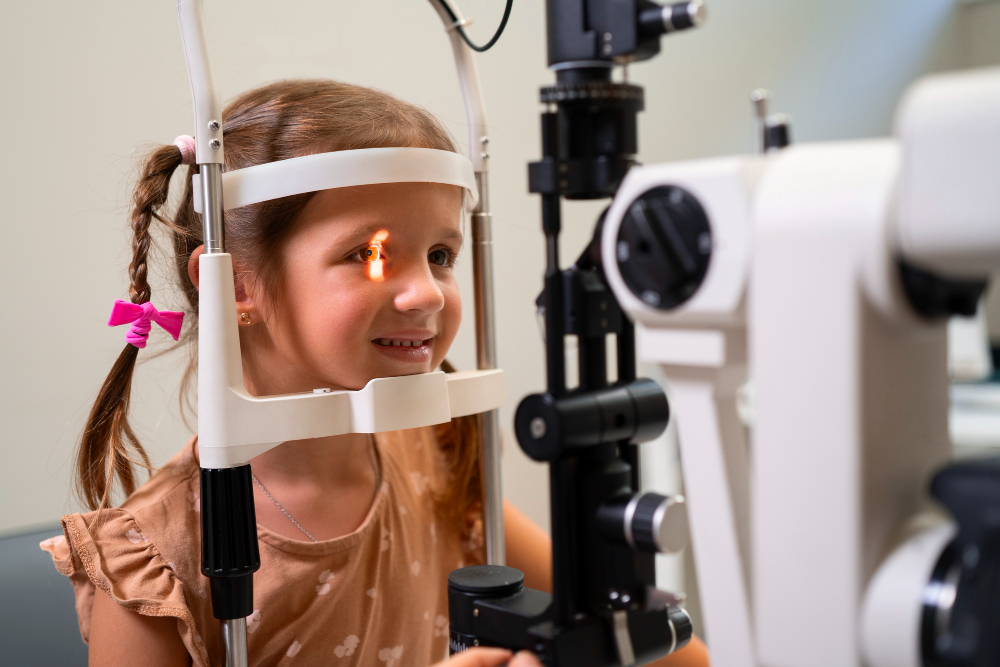
What is Developmental Cataract?
Developmental cataract is a clouding of the eye’s lens that happens in children. Unlike cataracts in older adults, this type often appears during childhood or early life. Because the lens helps focus light, a cloudy lens can make it hard for a child to see clearly. Early detection is important. With prompt care, children can have better vision and eye health. Developmental cataract is also called childhood cataract or pediatric cataract.
Symptoms of Developmental Cataract
Children may not always notice vision changes. However, parents and caregivers can watch for signs. Early symptoms can be mild, but they may get worse over time. Common cataract symptoms in children include:
Sometimes, children may have trouble seeing objects or reading. If you notice these signs, it is important to seek help.
Causes and Risk Factors
There are several reasons why a child may develop a developmental cataract. Some causes are present at birth, while others appear later. The main causes and risk factors include:
Not all cases have a clear cause. However, knowing the risk factors can help with early detection and care.
How Developmental Cataract is Diagnosed
Early diagnosis is key for protecting your child’s vision. Eye doctors use several steps to check for developmental cataract. First, they ask about your child’s health and family history. Next, they perform a thorough eye exam. This may include:
Sometimes, doctors may use other tests to rule out other problems. Early diagnosis helps start treatment sooner, which can prevent vision loss.
Treatment Options
Treatment for developmental cataract depends on the size and effect of the cataract. Some small cataracts may not need treatment right away. However, if the cataract affects vision, doctors may suggest:
Early cataract treatment can help children develop normal vision. Most children recover well after surgery, especially with proper care.
Prevention and Lifestyle Tips
While not all developmental cataracts can be prevented, some steps may lower the risk. Here are a few tips for better pediatric eye health:
Early action and healthy habits can help protect your child’s eyesight.
When to See an Eye Specialist
It is important to see an eye specialist if you notice any vision changes in your child.
For example, if your child has trouble seeing, squints often, or you notice a white spot in the eye, seek help. Early visits can lead to better outcomes. Regular eye exams are also important, even if your child has no symptoms.
Consult Nirwana Netralaya for personalized advice and early intervention if you notice any vision changes in your child.
Schedule your appointment today!
We’re here to ensure the best care for your child’s eye health.